
6 Parenting Books Every Parent Should Read

Parenting is one of the most rewarding—and challenging—journeys we embark on. With no universal manual, many of us turn to books for guidance, reassurance, and fresh strategies. Whether you're navigating toddler tantrums, tween anxiety, or simply striving to raise kind, resilient humans, the right book can offer clarity and confidence. Here are six essential reads that blend research, empathy, and practical tools to support you at every stage of the parenting adventure.
This book is a gentle yet powerful guide to breaking generational cycles and cultivating mindfulness in parenting. Clarke-Fields, a mindfulness coach and mother, emphasizes the importance of self-regulation—because how we respond to our children often matters more than what we say. Through simple exercises and real-life examples, she helps parents slow down, tune in, and respond with intention rather than reactivity. It’s especially helpful for those who want to parent with more calm and compassion, even in the heat of the moment.

In this timely and thought-provoking book, social psychologist Jonathan Haidt explores the alarming rise in youth anxiety and depression—and how modern parenting and technology may be contributing factors. Drawing on data and cultural analysis, Haidt makes a compelling case for rethinking screen time, overprotection, and the loss of free play. While it’s not a traditional how-to manual, it’s a must-read for parents concerned about their children’s mental health in today’s digital world. It offers both insight and a call to action.

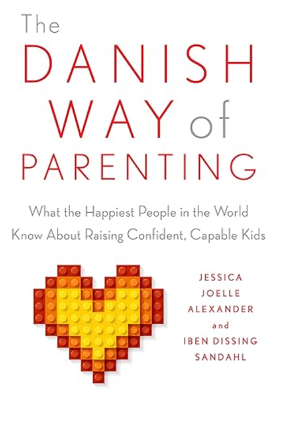
What makes Danish children consistently rank among the happiest in the world? This book explores the cultural values and parenting philosophies that contribute to Denmark’s reputation for raising emotionally secure, resilient kids. The authors introduce the P.A.R.E.N.T. acronym—Play, Authenticity, Reframing, Empathy, No ultimatums, and Togetherness—as a framework for nurturing happier families. It’s a refreshing blend of Scandinavian wisdom and practical strategies that can be applied in any household.
This book redefines how we understand children’s behaviour—shifting the focus from “fixing” kids to truly seeing and supporting them. Dr. Becky Kennedy, a clinical psychologist and parenting expert, introduces the idea that all children are inherently good inside, even when their behaviour is challenging. Instead of punishment-based approaches, she offers practical tools for setting firm boundaries while maintaining deep connection and respect. It’s a transformative read for anyone who wants to raise emotionally secure children while also healing their own parenting triggers.

A classic for a reason, this book has been transforming parent-child communication for decades. Faber and Mazlish offer practical, respectful techniques for getting kids to cooperate without yelling, bribing, or punishing. Through relatable scenarios and cartoon-style illustrations, they show how to validate feelings, set limits, and encourage autonomy. Whether you’re dealing with a defiant preschooler or a moody teen, this book provides timeless tools for building connection and mutual respect.

Neuroscience meets parenting in this accessible and enlightening book. Siegel, a psychiatrist, and Bryson, a parenting expert, explain how a child’s brain develops and how parents can use that knowledge to respond more effectively to emotional outbursts, fears, and conflicts. With clear illustrations and age-appropriate strategies, they introduce 12 key tools to help integrate a child’s left and right brain, fostering emotional intelligence and resilience. It’s especially useful for parents who want to understand the “why” behind their child’s behaviour.

Final Thoughts
Parenting doesn’t come with a blueprint, but these six books offer something close. They don’t promise perfection—they offer perspective, tools, and a deeper understanding of both ourselves and our children. Whether you’re just starting out or deep in the trenches, these reads can help you parent with more confidence, empathy, and joy.


Comments